Blog Category: All, Buying an RV
RV TIPS & TRICKS
Shopping for a Pre-Owned RV
Shopping for a Pre-Owned RV
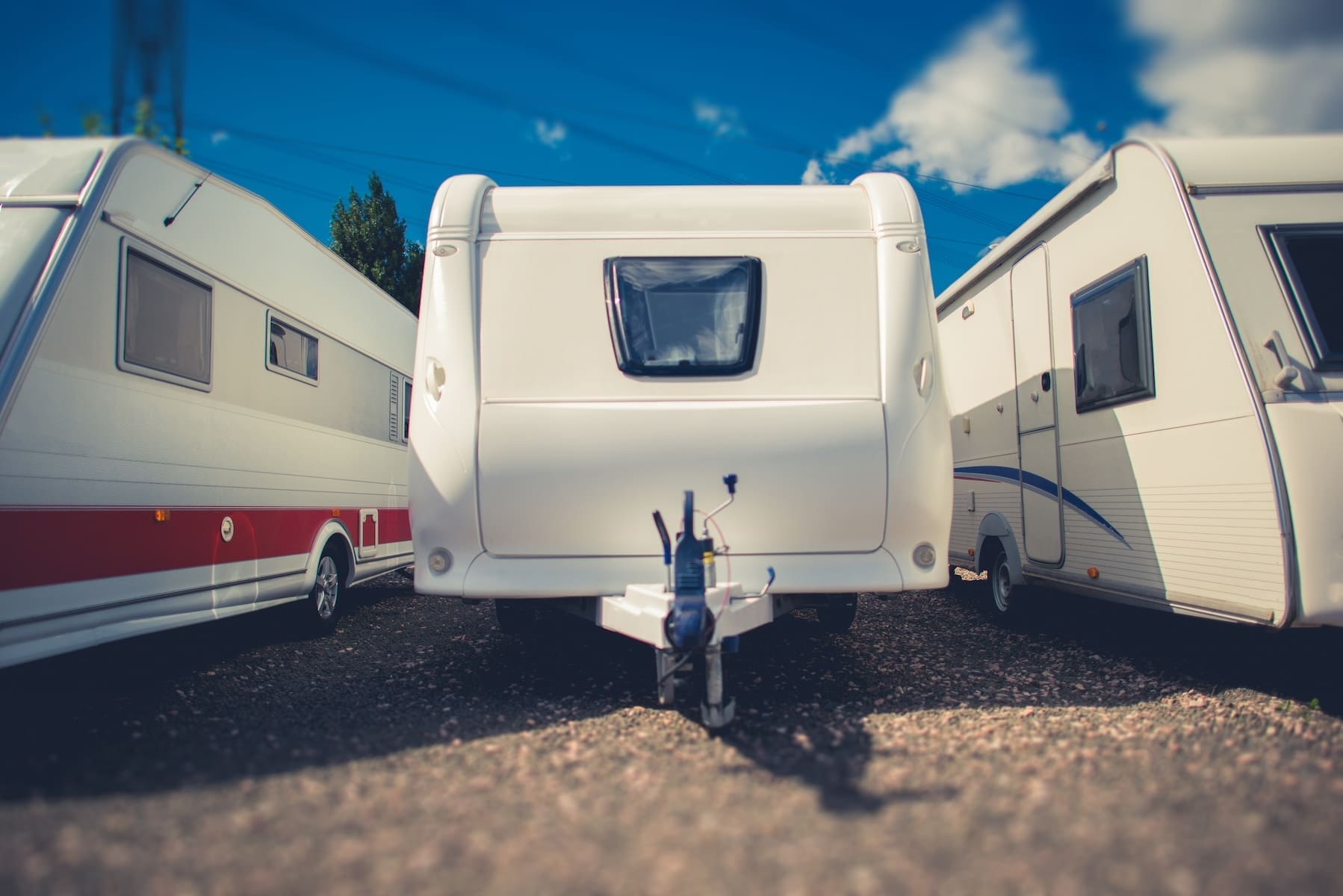
A lot of people catch the RV bug from a video, a social media post, or a friend who already owns one. Once you decide you want one, the real decisions start.
Do some homework
An RV is a sizeable investment, and “RV” covers both motorised vehicles and travel trailers across several classes. Learn the categories before you shop.
Consider renting
Renting lets you experience the lifestyle and try different vehicles without making a substantial financial commitment — see Renting an RV.
Pre-owned vs. new
Pre-owned, for: significant savings on the purchase price, good for do-it-yourselfers, and lower insurance costs.
Pre-owned, against: hidden maintenance issues, a limited selection, and somebody else has already used it.
New, for: the latest technology, no immediate maintenance concerns, and manufacturer warranty coverage.
New, against: a high price tag, steep depreciation — 20% right off the lot, over 30% after five years — and higher insurance.
The average lifespan of an RV is 10 years, but that can easily be doubled with proper maintenance. Pay particular attention to the roof and the plumbing: water damage repairs are extremely costly.
Buy from a professional dealer
A dealer can give you an accurate assessment of a unit’s condition and what to expect in terms of short, mid and long term expenses, and RV Care dealers offer service protection plans. Not all dealers are equally scrupulous in their inspection process — RV Care dealers carry the Customer Care Promises for exactly that reason.
A twelve-point shopping checklist
- Define your needs — how many people, where you’ll go, what amenities matter.
- Set a budget — purchase price plus maintenance, upgrades, insurance, registration and repairs.
- Research RV types — choose one that aligns with your preferences and travel style.
- Inspect the exterior — soft spots, discoloration or bubbling on the walls; check roof, windows, doors and seals.
- Check the mechanical systems — engine, transmission, brakes, tires, suspension; ask for the maintenance records.
- Assess the interior — flooring, walls and ceiling for wear; test every light, switch and outlet.
- Evaluate the appliances — fridge, stove, heating and cooling; look for rust and corrosion.
- Look for water damage — ceilings, walls, floors, windows, doors and seams. It is a common issue, and it leads to serious problems if it isn’t addressed promptly.
- Inspect the plumbing — run water through every fixture; test the pump, the heater and the sewage system, and use your nose.
- Consider age and mileage — a well-maintained older RV may be a better investment than a newer one with high mileage and a poor maintenance history.
- Negotiate, and get a professional inspection — a qualified RV inspector uncovers what an untrained eye misses.
- Finalise the paperwork — title, registration and maintenance records all in order. Be wary of discrepancies or missing information.
Doing the research and choosing methodically pays you back in fewer headaches, fewer ruined trips and fewer unforeseen costs.